ACiQ cabinet wall-mounted exhaust fans are engineered for commercial, industrial, and agricultural spaces that demand powerful airflow, energy efficiency, and low-maintenance operation. This buying guide breaks down how these direct-drive, high-CFM ventilation systems work, how they compare to belt-driven alternatives, and how to choose the right voltage and configuration for your facility’s electrical setup and airflow requirements.
Indoor air quality problems like humidity, stale air, dust, and allergens can’t be solved by your HVAC system alone. This guide explains how ERVs, dehumidifiers, and air purifiers work, when to use each one, and how to combine them so your home has fresher, healthier, and more comfortable air in every season.
Learn how combining ceiling fans, exhaust fans, ERVs, and HRVs creates an energy-efficient ventilation strategy that cuts heating and cooling costs by 10-30% while improving indoor air quality. Get expert sizing tips and brand recommendations.
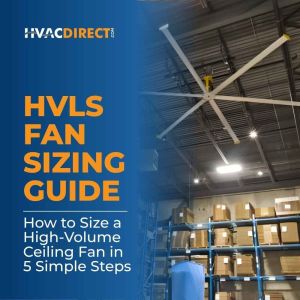
Proper HVLS fan sizing is the key to efficient cooling in large commercial or industrial spaces. This step-by-step guide explains how to calculate CFM requirements, match fan diameter to your facility size, and ensure consistent, energy-saving airflow year-round. Whether you manage a warehouse, gym, or manufacturing floor, learn how to choose the best high-volume ceiling fan to improve comfort and reduce HVAC costs.
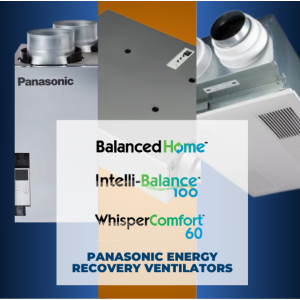
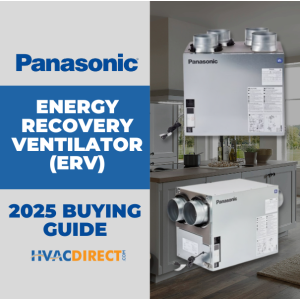
Looking for the best ERV for your home in 2025? Panasonic offers three top-rated series—BalancedHome™, Intelli-Balance®, and WhisperComfort®—each designed to improve indoor air quality while reducing energy costs. In this guide, we review features, applications, and real homeowner feedback so you can confidently choose the right ERV model for your space.
Energy Recovery Ventilators (ERVs) bring in fresh outdoor air while transferring heat and moisture to keep your home comfortable and efficient year-round. This guide explains how ERVs outperform traditional fans and HRVs, when to choose each option, and how to size the right Panasonic model for your space. Learn the homeowner benefits—cleaner air, mold prevention, and lower utility costs—and shop WhisperComfort, Intelli-Balance®, and BalancedHome™ systems.
Improve indoor air quality and cut HVAC load with balanced ventilation. This Panasonic ERV buying guide explains how ERVs work, how to size them (ASHRAE 62.2 + quick rules), and compares features across WhisperComfort, Intelli-Balance, and BalancedHome—quiet ECM motors, MERV filter options, flexible installs, and up to 82% heat recovery efficiency. Find the right ERV for your home.
If you’ve ever walked into a damp basement or noticed a musty smell drifting through your home, you already know high humidity isn’t just uncomfortable — it can damage your property and impact your health. The big question for many homeowners isn’t whether to buy a dehumidifier, but which type is worth the money.
Sizing a commercial dehumidifier isn’t just about comfort—it’s about compliance, protecting equipment, and preserving products. This guide breaks down how to calculate your daily moisture load (in pints-per-day), match it to the right Quest or industrial unit, and avoid costly under- or over-sizing. Perfect for gyms, warehouses, grow operations, and restoration professionals who need a clear, no-nonsense approach to “what size commercial dehumidifier do I need.”
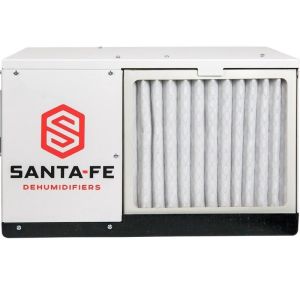
Not sure what size dehumidifier you need? This beginner-friendly guide walks you through measuring your space, assessing moisture levels, and matching conditions to the right dehumidifier. Whether you’re dealing with a damp basement, a musty crawl space, or an entire home with high humidity, you’ll find clear answers and trusted product recommendations—especially from brands like Santa Fe. Perfect for homeowners seeking healthier air and lasting comfort.
Wall-mounted exhaust fans effectively remove stale air, humidity, and odors, improving indoor air quality in commercial, industrial, and agricultural settings. These fans are easy to install and provide reliable ventilation by expelling unwanted air through an external vent. Learn more about their benefits and applications.
Roof exhaust fans help improve ventilation by removing hot air and moisture, preventing issues like mold and wood rot. They enhance airflow efficiency, making them a valuable addition to commercial and industrial spaces—explore their benefits to see how they can improve your environment.
HVLS fans, or High Volume Low Speed fans, efficiently move large volumes of air in commercial and industrial spaces, improving comfort and reducing energy costs. Ideal for warehouses, gyms, and manufacturing facilities, they provide consistent airflow over wide areas—making them worth considering for enhanced efficiency.
A Filter is a very important part of an HVAC system. Replacing regularly will not only improve the quality of air in your home but will also prolong the life of your furnace. Not taking care of the filter will result in greatly increased health risks due to air contamination and a shorter life span of the furnace.
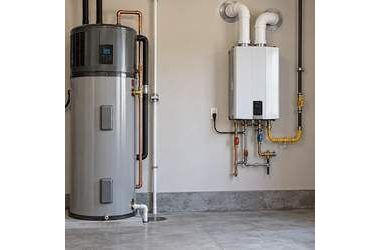
Compare heat pump and tankless water heaters by efficiency, hot-water capacity, installation requirements, and operating cost to find the best fit for your home.