We use cookies to make your experience better.To comply with the new e-Privacy directive, we need to ask for your consent to set the cookies.Learn more.
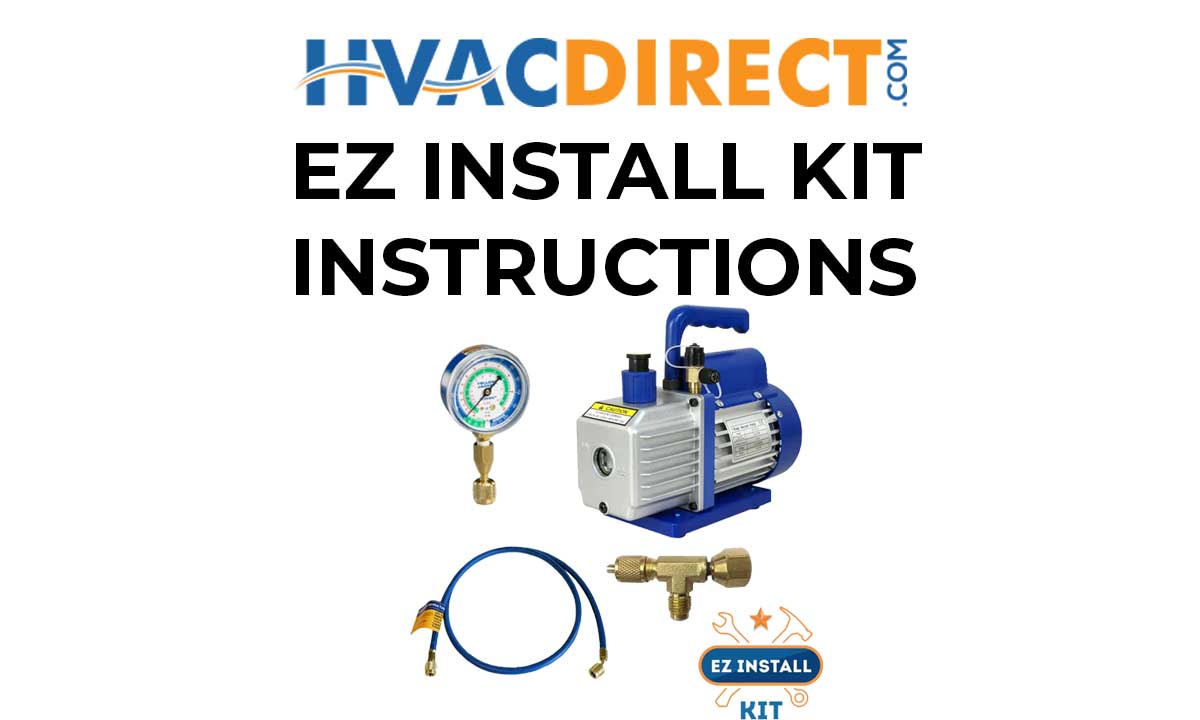
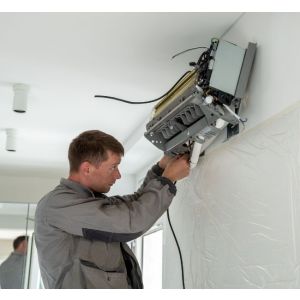
In this video, you will learn how to use our EZ install kit for ductless mini split systems. The EZ install kit allows you to install a ductless mini split without a contractor and save you hundreds on installation costs.
Looking to heat or cool a room without hiring a pro? A DIY mini split from HVACDirect.com is the easy, affordable way to add climate control to any space. Learn how to install a DIY mini split system with our step-by-step guide with video and see why it's a smart upgrade.
With the right parts and tools, owners of almost any brand or type of mini split can now self-install their system.
IMPORTANT: This how-to guide is not written to add, remove, or adjust refrigerant levels. Its only purpose is to explain how to install the line set and remove air from the system. All refrigerant used comes pre-charged from the factory in the condenser unit. If adding, removing, or adjusting refrigerant is necessary, please STOP immediately and contact a licensed HVAC technician for assistance.
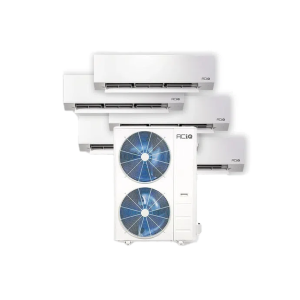
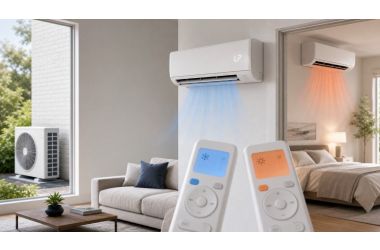
Interested in increasing your home’s heating and cooling efficiency? A multi-zone ductless mini-split system may be a great option to achieve that goal. Multi-zones use unique inverter technology allowing you to install multiple heating and cooling units throughout your home. This means each zone is independently controllable and customizable, even further increasing the efficiency of the unit. This video explains what a multi-zone ductless mini-split system is and what considerations should be made when considering this option for your home or business.
Multi-zone mini split systems let you control temperatures individually in each room, improving comfort and lowering energy costs. In this video, we walk you through how to calculate the heating and cooling load of each zone—considering room size, insulation, windows, and usage—to determine the right number and capacity of air handlers for your home. Proper sizing ensures even temperatures, efficient energy use, and longer system life.
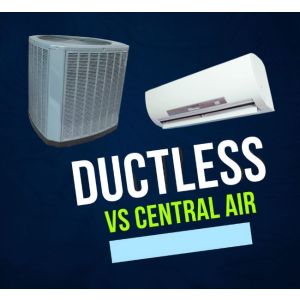
Modern air conditioning systems feel better, function better and fit better than their predecessors. The choices available to homeowners is greater than ever. Two of the most popular options with ductwork and ductless air conditioning, sometimes referred to as a mini split system. Both systems answer a lot of specific air conditioning needs and both have advantages for the homeowner. So between ductless vs central air, which system is better for your home or business? Read this article to find out.
Do-It-Yourself mini-split ductless systems are quickly becoming one of the most popular HVAC options thanks to a combination of cost effectiveness and energy efficiency wrapped in a straight-forward design that is easy to install. In this article we’ll walk through the features of benefits of these unique heating and cooling systems.
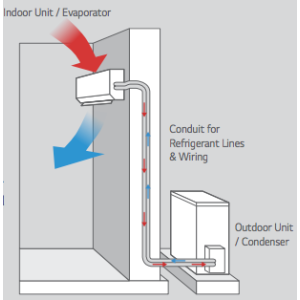
Have you considered buying a Mini Split system for you home but have been intimidated by their complexity? Mini Splits are a great option to cool and heat your home efficiently and it would be a terrible predicament for you to not utilize one for your home just because you are not sure how they work so I am here to help clear some things up for you.
Many homes will use a mini-split system for a section of the home that does not have central HVAC attached to it. This could be an addition that was added on after the central system was installed or maybe a porch area or separate building that could not have ducting connected to it. As Mini splits grow in popularity more homes have started using them to heat and cool the entire home.
Ductless HVAC units, otherwise known as mini-split systems, are not only extremely efficient but a consistent source of comfort for homeowners. Yet the decision to have one installed in your home is one that splits opinions.
A ductless mini split HVAC system could be just the option to keep your home cool all year round. Like any HVAC system, though, there are a lot of options, and you'll need to know what works best for you. Our guide has everything you need to know to pick out the best ductless mini split AC and heat unit.
Is a DIY mini split a good idea? If you're a little handy and like a home project, do-it-yourself mini split units are a great fit for the home or office. At HVACDirect.com, we feature a full range of DIY mini split systems for optimal heating and cooling balance. These units are designed for user-friendly installations and require no special tools or training. Because the lines for the system are pre-charged and don't require any vacuuming, mini split units can be installed without the need for a professional.
HVACDirect features the best ductless mini split systems for homes and businesses. In fact, ductless mini-splits are designed for easy, DIY installations. You do not need special training or tools to install these popular heat pump and AC systems. Ductless mini split brands offer balanced air and comfort year round.
It's possible to transform your home or any room within the home into a comfortable oasis, dry and cool in the summer and cozy and warm in the winter. A ductless mini split gives you exact temperature control even in spaces you think would be impossible to repair.
Controlling a ductless heating and cooling system is easy. You simply use a remote to obtain the ideal temperature with the touch of a button. These systems have several possible applications in commercial, residential, and institutional buildings.
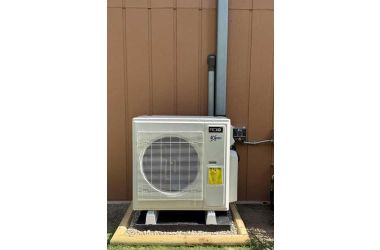
Explore the advantages of installing a pre-charged line set mini split air conditioner condenser. Ideal for DIY installations, these ductless mini splits eliminate costly ductwork and extensive labor, providing fast, affordable, and efficient cooling for single rooms, small homes, or additions.
HVAC Direct is your source for the best in DIY Mini Split systems. DIY ductless Mini-Split units are designed for easy do-it-yourself installation. In fact, you do not need special tools or training to install these dual heat pump and AC components for year round comfort.
At HVAC Direct, we are proud to offer the DIY 24K, DIY 12K, and DIY 36K series for your units and convenience. With detailed product listings and user-friendly instructions, you should not problems installing these accessories to ensure optimal heat and cooling during seasonal months. As always, we are here to answer your product questions and help you every step of the way.
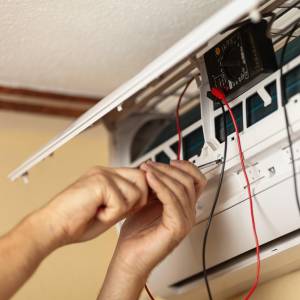
One of the leading reasons why Mitsubishi mini splits fail is due to improper installation. Whether you are trying to install a Mitsubishi mini-split for the first time or have been experiencing issues with it, this guide will explore issues that are common with mini splits.
Mitsubishi mini split systems have been growing in popularity among homeowners who seek efficient and effective cooling in zones or individual areas of their home. Since each indoor unit (called an air handler) works separately, ductless mini split units can offer better temperature control for your home whether you choose a single- or multi-zone system. Both zone designs let each room have a different temperature, so the family no longer needs to fight over the AC controls. Ductless systems also have the advantage of not requiring any ductwork, giving you flexibility all the while saving money and reducing installation time significantly.
Ductless mini split systems deliver energy savings, year-round comfort, and flexible installation for homes and businesses. Ideal for spaces without ductwork, they offer precise zoned control, improved efficiency, and even reliable heating in cold climates.
Mini split systems tend to be a lot more efficient than your typical central split systems. SEER ratings for mini split systems usually range from 18 SEER all the way up to an amazing 30 SEER. With SEER ratings like that, your system will be able to reduce your energy bills significantly compared to standard central split systems.
A Midea LP display is model-specific: it may be discussed with multi-zone conflicts, while many Midea manuals use LP or PC0L for low-temperature protection. Learn how to identify the exact condition, synchronize indoor-unit modes, reset the system safely, and know when professional diagnosis is...
Homeowners cannot control the price charged for each kilowatt-hour, but they can control how much electricity their cooling system needs. That is becoming more important as residential electric rates continue to climb. The U.S. Energy Information Administration forecasts an average residential...
How the equipment is purchased can also make a meaningful difference. For a common full-system project—such as replacing a central air conditioner and gas furnace while keeping usable ductwork—a turnkey contractor-supplied project may cost **about $11,000 to $17,000**. Purchasing a matched system...
When an older R-410A outdoor condenser fails, replacing the entire HVAC system is not always the only option. If the indoor evaporator coil or air handler is still in usable condition, an A2L refrigerant detection and mitigation kit may allow that indoor equipment to remain in place while the...
When the outdoor portion of a central air conditioner fails, replacing only that unit can sound like the simplest and least expensive solution. Sometimes it is. However, a central split system is not a collection of interchangeable parts. The outdoor condenser and the indoor evaporator coil work...